
What Claude Got Right (and Wrong) in My Fortune-Level Pitch | AI & Strategy Lessons
- Sahil Harwani
- August 4, 2026
- Blog
- 0 Comments
I asked Claude to help me build a pitch deck. Here’s what actually happened.
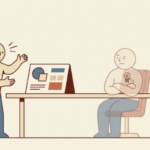
We had a meeting with a potential client. 400+ person company. Fortune-level clients. Three established practices.
I did the prep. I used Claude. The deck was solid.
And then the client redirected us, mid-meeting.
Not because the deck was bad. Because they were further along than we expected. They’d already solved the 0 to 10 problem. They wanted 100. That’s a completely different conversation.
Good clients tell you this. Great clients tell you in the room.
What Claude got right:
When we came back to rebuild, it moved fast. Slide structure, case studies, data tables, hours not days.
It flagged things I would’ve missed at speed. Details in a case study that didn’t match what actually happened. Numbers that needed a source.
And when I said “make it more relevant to them”, it pushed back. What stage are they at? What did they actually say?
That part surprised me.
What it couldn’t do:
Anticipate that the client had outgrown the problem.
Build the right competitor slide without knowing their industry precisely.
Those gaps weren’t Claude’s fault. They were contexts I hadn’t fully stress-tested before walking in.
What I actually learned:
The best client meetings don’t always go to plan. The best ones teach you something.
AI helps you move fast once you know what to build. The harder skill is figuring out what to build in the first place and staying sharp enough to pivot when the room tells you something different.
We walked out with a better brief. Built a better deck. Had a better second conversation.
When did a client teach you something you didn’t expect?